

Use upholstery and drapery create a bedroom sanctuary you love
- February 13th, 2026
-
 Product Technology
-
 All Spaces
Why performance fabrics for bedroom design matter
Your bedroom is a sensory sanctuary, and the right textile choices transform its comfort, style, and functionality. Performance fabrics play a vital role in your home, but today, we're focusing on a few in the bedroom:
- Upholstered headboards - The focal point that defines a room's look and feel while providing comfort against your skin daily.
- Drapery and curtains - Essential for acoustic control, noise insulation, and temperature regulation, protecting your space from both outside disturbances and extreme heat and cold.
Let's get into it.
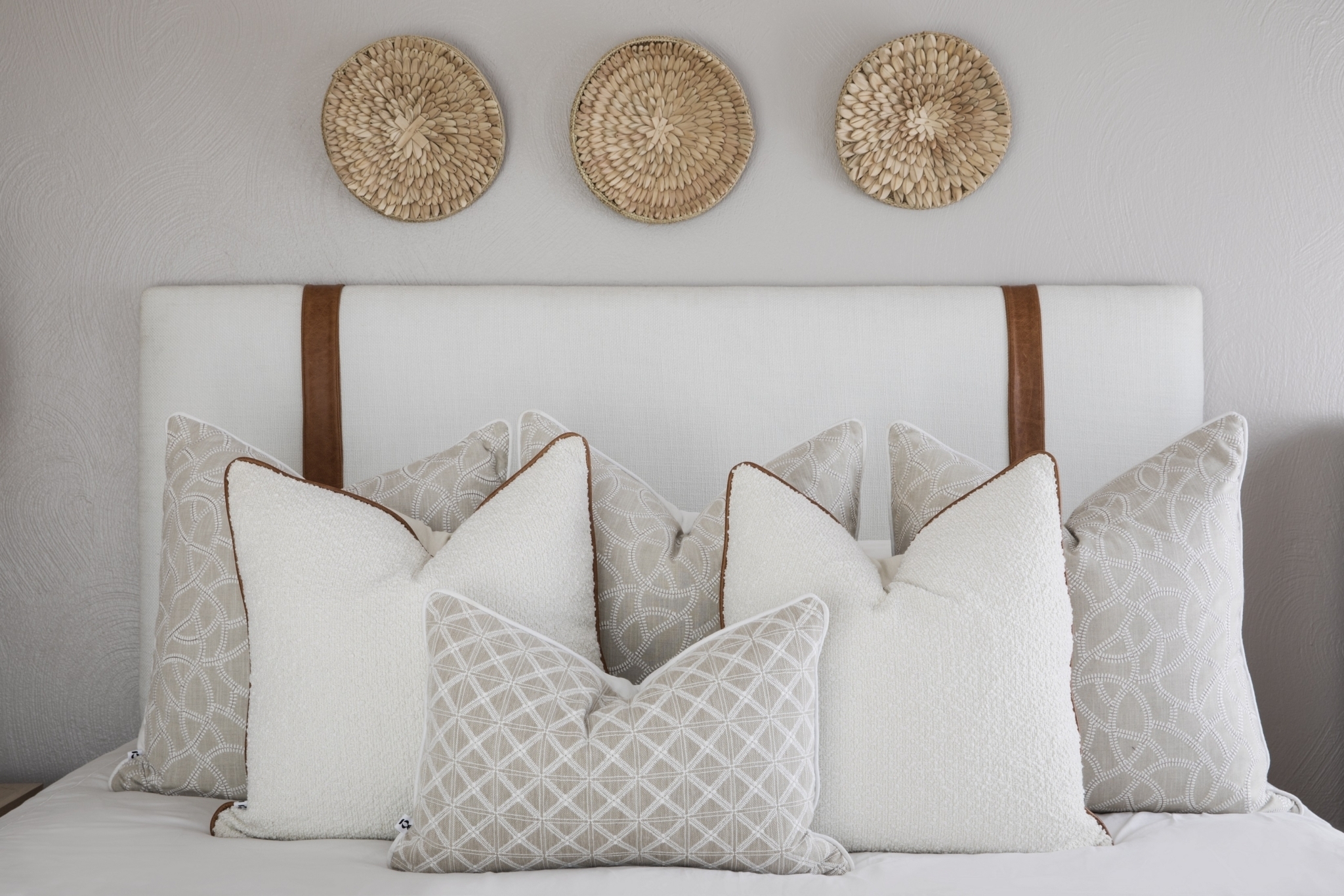
Best performance upholstery fabrics for headboards
A headboard isn’t just a design choice. It’s a tactile, sensory part of your bedroom experience. The right upholstery fabric should balance visual appeal, comfort, and practicality.
Whether you're designing a cosy retreat or a sleek modern space, here are 4 key factors:
1: Softness and Skin Comfort
Headboard fabric should be lovely to touch. After all, they’re often leaned against while reading or relaxing, so it makes sense. Velvet and chenille can offer a beautifully plush, skin-friendly experience. Keep an eye on durability stats too.
2: Acoustic and Thermal Insulation
Upholstered headboards can help absorb ambient noise and retain warmth, contributing to a quieter, more restful sleep environment. This article from Materials explains how soft materials and fabric-based elements in interior design can significantly improve sound absorption in living spaces.
Deep dive into a full exploration on this topic: How fabric affects acoustics: the interior designer's guide to sound absorption and transmission
3: Hygiene and Maintenance
Because headboards are exposed to natural oils, choosing a fabric that’s easy to clean is essential. Stain-resistant technologies, such as those found in performance fabrics like FibreGuard, help repel moisture and oils, making upkeep simple and stress-free.
4: Style Meets Function
A headboard is a visual anchor in the bedroom. Find upholstery fabrics that complement your interior style and colour choices, while offering durability.

The Science Behind the Grime
Microbiologist Amy-May Pointer's research confirms what many suspect: headboards rank among the germiest items in the bedroom, harbouring diverse species of fungus, mould colonies, and bacterial colonies.
According to Alicia Sokolowski, president and co-CEO of AspenClean:
"An uncleaned upholstered bed frame can gather millions of bacteria per square inch, especially in high-contact areas like the headboard. Fabric surfaces trap dust, dead skin cells, sweat, body oils, pet dander, and airborne particles, creating the perfect environment for bacteria growth, dust mites, and even mould in humid conditions."
Stains and nasties that headboard fabrics must deal with every day – and how to fix it
Every time you lean against your headboard, you're transferring oils, creams, and biological matter:
- Personal care products - Face creams, body lotions, hair oils, makeup, perfume, and sunscreen all migrate to fabric. Look for fabrics with an integrated stain protection that resists absorption of these oils and products that would penetrate ordinary fabrics.
- Biological matter - Sweat, dead skin cells, saliva, and natural oils create an ideal environment for bacteria and dust mites. Polyester fibres don't absorb this moisture or organic matter as efficiently, starving bacteria and mould of the conditions they need to thrive.
- Environmental factors - Dust particles, pet dander, airborne pollutants, and humidity contribute to hygiene issues and can encourage mould in traditional fabrics.
- Easy deep cleaning - Unlike traditional upholstery that can only be surface-cleaned, many modern performance fabrics, such as our own, are fully washable, allowing you to genuinely sanitise your headboard when needed.
What are the best fabrics for bedroom drapery?
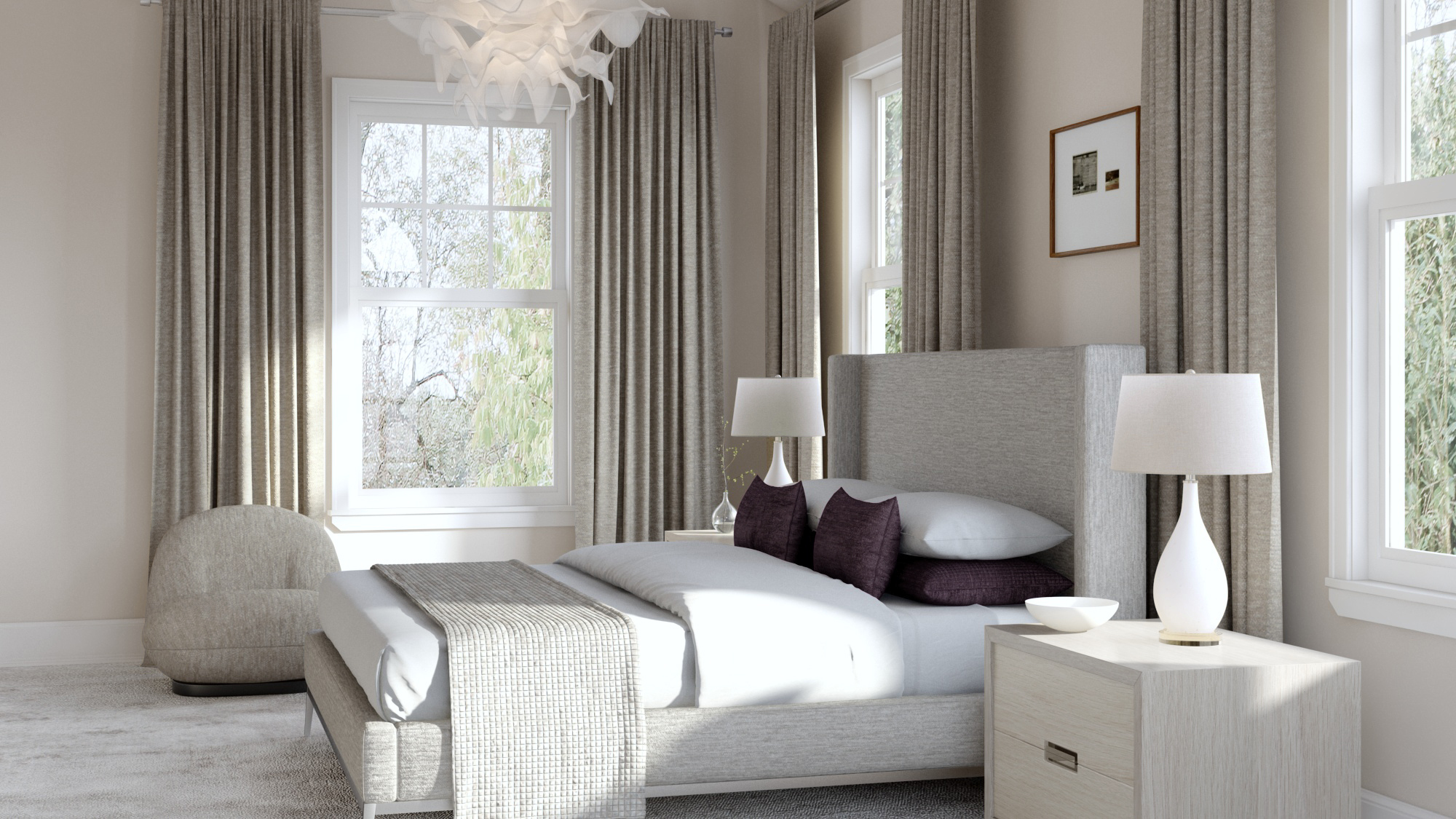
Bedroom drapery isn’t just décor: it’s a mood-maker. The right drapery helps create a peaceful, comfortable space by controlling light, softening sound, and enhancing thermal comfort.
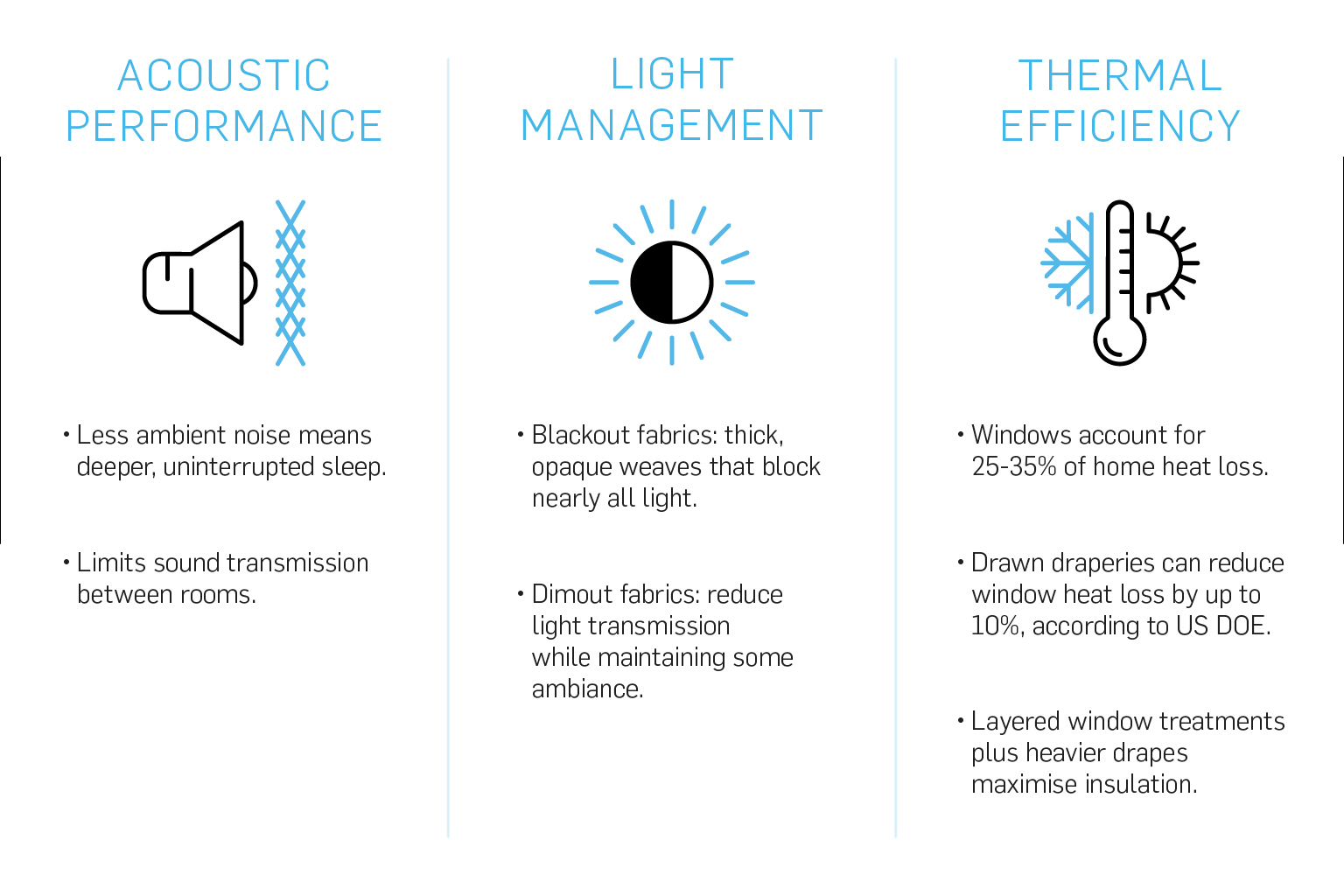
3 key functional benefits of bedroom drapery:
One: Acoustic Performance (Particularly valuable in hard-surfaced rooms)
- Less ambient noise means deeper, uninterrupted sleep.
- Limits sound transmission between rooms.
Two: Light Management (For real sleep)
- Blackout fabrics: Specially developed coated fabrics blocking out 100% of the light
- Dimout fabrics: Reduce light transmission while maintaining some ambiance
Three: Thermal Efficiency. Windows account for 25-35% of home heat loss
- Drawn draperies can reduce window heat loss by up to 10%, according to US Department of Energy (DOE) stats.
- Layered window treatments with sheers plus heavier drapes maximise insulation.
Interested in keeping the thread going on this topic? Head over to this other resource on FibreGuard's multipurpose fabrics, and get an even bigger picture. >>
Key Takeaways: Bedroom Fabrics & Performance Textiles
- Performance fabrics are essential for bedrooms, because of their durability, stain resistance, acoustic benefits, and safe comfort.
- Headboards benefit from soft, cleanable fabrics. Fabrics like velvet and cotton blends provide tactile comfort, while stain-resistant, high-performance options help manage oils, dust, and bacteria.
- Drapery enhances acoustics, light control, and thermal comfort. Heavy, textured fabrics absorb sound; blackout and dimout options regulate light; layered drapes improve insulation and energy efficiency.
- Proper fabric selection extends furniture lifespan. Expert studies show performance fabrics can last 10–15+ years with care, making them a smart investment.
Ready to upgrade your bedroom with smarter fabrics?
Your fabric choices can enhance sleep quality by improving acoustics, temperature control, and hygiene, while also resisting dust, bacteria, and stains. Our FibreGuard Pro range is perfect for this and would make a very inviting addition to bedroom headboards, as its anti-bacterial, anti-microbial properties are proven to reduce the growth of bacteria by over 95%.
It’s soft and strong, complete with a breathable barrier backing for added protection against moisture.
So, why settle for anything less? Make the upgrade today and experience the game-changing benefits of performance textiles in your own space.👉 Speak to a sales experts today to find the perfect fabric for your space.
Frequently asked questions: choosing fabric for upholstered headboards
What makes a fabric suitable for a headboard?
A headboard fabric needs to handle close, repeated contact — leaning, lounging, the occasional breakfast-in-bed mishap — without showing its age.
Look for good abrasion resistance, colourfastness, and easy cleanability, plus a texture that feels pleasant against skin.
Because most upholstered headboards have fixed (non-removable) covers, a fabric you can spot-clean in place is a genuine advantage.
Which fabrics are best for upholstered headboards?
Tightly woven fabrics with a soft hand work best: velvets, chenilles, bouclés, and textured plains are all popular choices.
The construction matters as much as the fibre — a dense weave resists snagging and holds its shape over the headboard's padding. If the bed sits in a busy household (children, pets, weekend lie-ins), a performance fabric with built-in stain resistance gives you the same aesthetic options with far less maintenance anxiety.
Is velvet a good choice for a headboard?
Yes — velvet is one of the most popular headboard fabrics for good reason. Its pile catches the light beautifully and adds instant depth to a bedroom scheme, and because a headboard is a vertical surface, velvet suffers far less crushing and wear than it would on a sofa seat.
Wander over to find everything you need to know about velvet durability: Is velvet upholstery durable?
Are performance fabrics worth it for headboards?
For most bedrooms, yes. Headboards sit right where hair products, skin oils, morning coffee, and sticky little hands all congregate — and unlike cushion covers, they can't go in the wash.
A performance fabric like FibreGuard, with stain resistance built in at fibre level, means most marks lift with just water and a cloth. That's the difference between a quick wipe and a professional cleaning bill. Expert studies show that performance fabrics can last 10 to 15+ years with proper care. FibreGuard fabrics have our special added extras too: that luxurious hand-feel and impressive cleanability and durability.
How durable should headboard fabric be?
Headboards are moderate-use surfaces, so you don't need contract-grade toughness for a residential bed.
A Martindale rub count of 20,000 or above comfortably covers domestic use; for hotel and hospitality projects, specify higher counts and check the fabric meets the relevant flammability standards.
Colourfastness to light is worth checking too, especially if the bed sits near a window.
We have an in-depth buyers' guide around choosing durable upholstery if you'd like to get into the nitty gritty.
What fabrics are easiest to clean on a headboard?
Fabrics with fibre-level stain resistance are the easiest by far, because the stain protection is part of the fabric itself rather than a coating that wears away.
Most everyday marks — makeup, coffee, newsprint, hair oil — can be spot-cleaned with water alone, no harsh chemicals needed. Smooth, tightly woven surfaces are also simpler to wipe down than deep-textured weaves, though performance versions of textured fabrics close that gap considerably.
Should a headboard fabric be stain-resistant?
It's not compulsory, but it's one of the smartest specifications you can make. Headboards attract a very specific kind of grime: hair and skin contact night after night, plus whatever accompanies reading, scrolling, and snacking in bed. Because the cover is fixed, a stain that won't spot-clean out is there for good — so stain resistance protects both the fabric and the investment in the piece.
Can you use decorative fabrics on a headboard?
Absolutely — a headboard is one of the best places in the home for a statement fabric.
Because it's a vertical, low-abrasion surface, you can use jacquards, embroideries, and large-scale patterns that might wear too quickly on seating.
Just check the fabric is upholstery-suitable (not drapery-only), as headboard upholstery needs enough dimensional stability to stay taut over the frame.
What should interior designers consider when specifying a headboard fabric?
Beyond aesthetics, the checklist is: abrasion resistance appropriate to the setting, colourfastness to light and rubbing, cleanability (especially for hospitality, where housekeeping teams need fast turnarounds), and fire safety compliance for contract projects.
Pattern scale and pile direction matter too — both behave differently stretched over a large, flat headboard than they do on a sample card. Ordering a returnable memo sample and viewing it vertically, in the room's actual light, avoids expensive surprises.
How do you keep an upholstered headboard looking fresh?
Little and often is the rule.
Vacuum the surface regularly with a soft brush attachment to lift dust from the weave, deal with marks promptly while they're easiest to remove, and keep the headboard out of prolonged direct sunlight where you can.
With a stain-resistant performance fabric, a damp cloth handles most everyday spots — meaning your headboard needs only a few minutes of attention a month to stay looking newly upholstered.
 Design Inspiration
 Fabrics Education