
The truth about 'hypoallergenic' fabrics
- July 25th, 2025
-
 Fabrics Education
-
 Clean & Cosy Homes
Summary: The right fabrics in your home can help reduce allergens like dust mites, pet dander, and mold, which can trigger allergic reactions. While no fabric is completely "hypoallergenic," choosing materials that are tightly woven, moisture-resistant, and easy to clean can make a significant difference in managing allergens and improving indoor air quality.
How to Choose Fabrics That Help Reduce Allergens in Your Home
Homes are meant to be our safe spaces, but what happens when the very place meant to comfort us starts to feel uncomfortable?
The textiles you choose can dramatically impact how a space feels. When it comes to allergens, the right fabrics can make all the difference. It's amazing how simple changes can transform your home: and your sinuses will thank you.
Introduction to fabrics and allergens
Allergens are substances that can trigger allergic reactions in some individuals. These reactions can range from mild symptoms like sneezing and watery eyes to more severe responses, such as difficulty breathing.
Common allergens include pollen, pet dander, dust mites, and mould spores, which can be present year-round in homes and public spaces (American College of Allergy, Asthma, and Immunology [ACAAI], 2020).
How allergens can impact daily life
While allergens are often associated with spring and summer when pollen levels are high, they can persist throughout the year. Dust mites, for example, are a major allergen that thrives in warm, humid environments and is found in bedding, upholstery, and carpeting (Bramble et al., 2018).
Pet dander can cling to furniture and fabrics, causing allergic reactions long after the pets have left the room (Li et al., 2020).
Fabrics and Their Role in Allergen Exposure
Certain fabrics can either trap allergens or repel them. The texture and weave of fabrics influence how easily allergens, like dust and pet dander, settle into them.
For example, porous fabrics such as cotton or linen can trap particles, making it harder to clean them effectively. In contrast, tightly woven fabrics can resist the accumulation of allergens (Sullivan et al., 2016).
Innovations in Allergy-Resistant Fabrics
Textiles have really improved recently when it comes to whether or not they trap dust and other substances. These performance fabrics are designed to be resistant to dust mites, pet hair, and even mould. Moisture-wicking and anti-microbial finishes can prevent the growth of mould and mildew, which are common indoor allergens (Bataille et al., 2017).
A key feature of allergy-resistant fabrics is their ability to resist the growth of dust mites, one of the most prevalent allergens in homes. Fabrics treated with dust-mite-resistant finishes or those made from synthetic fibers are less likely to be hospitable to these microscopic pests (Katz et al., 2020).
What to Look for in Allergy-Resistant Fabrics
When choosing fabrics for allergy relief, look for textiles that are:
-
Tightly woven – to prevent allergens from easily embedding themselves.
-
Anti-microbial – to help reduce the presence of fungi, bacteria, and mould, which are common indoor allergens.
-
Moisture-resistant – to prevent moisture from accumulating, which reduces the likelihood of mould growth and dust mite infestations.
-
Easy to clean – regularly cleaning your fabrics is ideal for removing allergens from your living environment. Some fabrics can even be washed frequently at high temperatures. Please refer to fabric sample for recommended care instructions.
FibreGuard’s Solution to Allergens
While no fabric can entirely eliminate allergens, our team of fabric engineers is dedicated to tackling these invisible threats. This commitment to creating high-performance textiles drives everything we do.
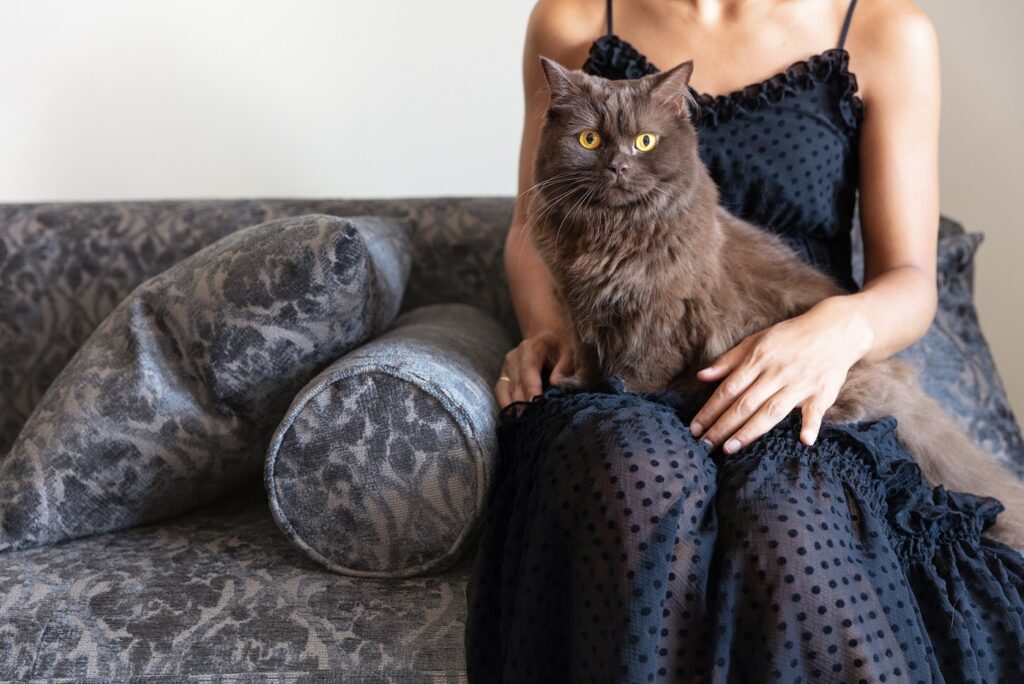
Do truly hypoallergenic sofa fabrics exist?
No, because allergies are complex. People can be allergic to anything, and allergies can develop over time. What one person considers "hypoallergenic" might trigger a severe reaction in another. It's impossible to create a fabric that guarantees no allergic reaction for every single individual.
Even targeted co-called "allergen-proof" items, while blocking specific allergens, don't always fully resolve symptoms, indicating the complexity of allergy management and the limitations of single-factor interventions, according to Cleveland Clinic (Health Essentials).
The science backs this up. A chemical review at DermNet, a leading dermatology resource, identifies chemical additives, not just fibres themselves, as the principal cause of textile allergies. Even products marketed as "allergen-proof" don't always fully resolve symptoms, highlighting how complex allergy management really is.
Key fabric specifications for real-life allergy management
Allergens are obviously a big concern in homes with pets, and it’s essential to consider the following fabric specifications to help manage and reduce exposure:
Tight Weave Construction
Fabrics with a tight weave can prevent allergens like dust mites, pet dander, and pollen from settling deep into the fibres. A dense weave acts as a barrier, making it harder for these particles to penetrate and accumulate on the surface.
Anti-microbial fibre treatments
Anti-microbial fabrics are treated to prevent the growth of bacteria, mould, and mildew. These treatments help reduce the risk of allergic reactions caused by mould spores or other microbial agents that thrive in damp or humid environments.
Dust mite resistance
Dust mites are one of the most common indoor allergens, and they thrive in soft, absorbent fabrics. While no fabric is completely dust mite-proof, options like allergen-blocking mattress covers or pillowcases can significantly reduce exposure.
Breathability
Choosing breathable fabrics helps regulate temperature and moisture levels, reducing the conditions that make allergens like dust mites and mold thrive. Breathable materials allow for proper airflow, minimising excess moisture that can lead to mildew growth or the accumulation of allergens.
Easy to clean and wash
Fabrics that are simple to clean play a crucial role in controlling allergens, since routine cleaning aids in eliminating allergens that build up on fabric surfaces.
Fabrics that can be machine-washed at higher temperatures are particularly effective, as hot water eliminates dust mites and other particles. Look for performance sofa fabrics that are easy to clean, such as ours. FibreGuard fabrics are specifically designed to endure frequent washing and still stay beautiful, making them perfect for homes sensitive to allergies.
Stain and Spill Resistance
Fabrics that resist stains are super helpful for keeping allergens in check over time. When you have materials that can handle spills, it really cuts down on the stuff that might attract or hold onto allergens.
FibreGuard's stain-resistant fabrics can make it easier to clean and keep your home healthier.
Impact of OEKO-TEX® Standard 100 on Allergens in Fabrics
The OEKO-TEX® Standard 100 is an international certification for textiles, ensuring that products are free from harmful substances that could pose a risk to human health. While it primarily focuses on harmful chemicals, its impact on allergens can be important for sensitive individuals.
Chemical Safety and Skin Sensitivities
The OEKO-TEX® certification tests fabrics for a variety of harmful substances, including:
-
Toxic Chemicals: Formaldehyde, heavy metals, pesticides, etc.
-
Skin Sensitisers: Substances that may cause allergic reactions, irritation, or sensitivities.
Indirect Impact on Allergies
Though the certification doesn't specifically target allergens (e.g., pollen, dust mites), it can reduce the risk of allergic reactions related to chemicals in fabrics:
-
Reduction in Chemical Sensitisation: OEKO-TEX® ensures harmful chemical residues are within safe limits, reducing the risk of allergic reactions to those chemicals.
-
Reduced Skin Irritation: Fabrics free from irritants or sensitizers are less likely to trigger skin reactions, making them safer for individuals with chemical sensitivities or conditions like eczema.
What the OEKO-TEX® Standard 100 certification doesn't cover
While OEKO-TEX® Standard 100 significantly reduces the risk of chemical sensitivities, it does not address:
-
Natural Allergens: Dust mites, mould, pollen, and other natural allergens that could still affect sensitive individuals.
-
Textile-Related Allergens: People with allergies to specific fabrics (e.g., wool or synthetic fibers) may not see benefits from OEKO-TEX® certification alone.
What FibreGuard's OEKO-TEX® Standard 100 certification means for allergies
-
Positive Impact: By ensuring textiles are free from harmful chemicals, OEKO-TEX® helps prevent allergic reactions and skin irritation caused by these substances.
-
Other Considerations: To address other allergen triggers, additional precautions such as hypoallergenic fabric choices or fabric care practices may be necessary.
Where can I buy FibreGuard fabrics?
FibreGuard has a global presence, everywhere from the USA to Europe to Australia, the Middle East and Southeast Asia. Looking to purchase FibreGuard fabrics for your furniture? Browse our digital fabric textures for free on the TwinBru platform!
You can find the FibreGuard digital twin collection here.
Find a design you like? You can order free fabric samples from TwinBru as well.
Key takeaways:
- Allergens in Fabrics: Common allergens like dust mites, pet dander, and mould can accumulate in fabrics, causing allergic reactions, especially in bedding, upholstery, and carpets.
- Fabric Role: Tightly woven fabrics prevent allergens from settling, while porous fabrics like cotton and linen trap particles, making them harder to clean.
- No "True" Hypoallergenic Fabrics: There's no fabric that guarantees zero allergic reactions, as allergies vary from person to person, and chemical additives can also cause sensitivities.
- Key Features for Allergy-Resistant Fabrics: Look for tightly woven, anti-microbial, moisture-resistant, and easy-to-clean fabrics that reduce allergen buildup and are breathable to prevent mould growth.
- OEKO-TEX® Standard 100 Certification: Fabrics with this certification are free from harmful chemicals, reducing chemical sensitivities but don't address natural allergens like dust mites or pet dander.
- FibreGuard Solution: FibreGuard offers performance fabrics that are resistant to easy to maintain, which makes them more resistant to allergens and stains: a good choice for allergy-prone homes.
 Design Inspiration
 All Spaces
 Case studies