
Eco fabrics are redefining biophilic design
- July 28th, 2026
-
 Design Inspiration
-
 Clean & Cosy Homes
note: this post was originally published in July 2025: refreshed in July 2026 with new insights into performance fabrics and biophilic aesthetics.
Biophilic Design and Furnishing Fabrics: What Textiles Actually Contribute
Quick answer: Biophilic design connects interiors to nature through light, texture, pattern, and material behaviour. It’s much more than just plants.
Furnishing fabric plays a specific, often overlooked role in that. It's the material that designers touch, layer, and specify constantly. Texture, colour behaviour, acoustic properties, and fibre make-up can support a biophilic scheme or quietly undercut it.
We're not interior designers. We're working fibre-level on performance fabrics, and this guide sticks to that lane. Plant care, natural light strategy, wall cladding; that's your territory, and we're not about to pretend otherwise. What we can tell you, with some confidence, is what fabric does.

What Is Biophilic Design?
Biophilia means "love of nature." It's very close to the design principles behind organic architecture.
It’s the practice of designing spaces to the same beneficial physiological and psychological responses we get from being outdoors. It’s an attempt to create an environment where its inhabitants feel lower stress, sharper focus, have better sleep and health recovery.
As interior designer and biophilia expert Oliver Heath has put it, biophilic design is also about designing for natural light, air quality, and the sensory qualities nature evokes.
It’s not about literally bringing nature indoors, but the usual shorthand (plants, daylight, natural materials) isn't wrong. It's just incomplete. Fabric is one of the quieter levers, and one you're already pulling on every project: upholstery, drapery, bedding, acoustic panels.
Where Fabric Fits into Biophilic Design: Four Fibre-Level Properties
You already know fabric shapes mood and comfort. What's less talked about is why, at a material level. Four properties do most of the heavy lifting:
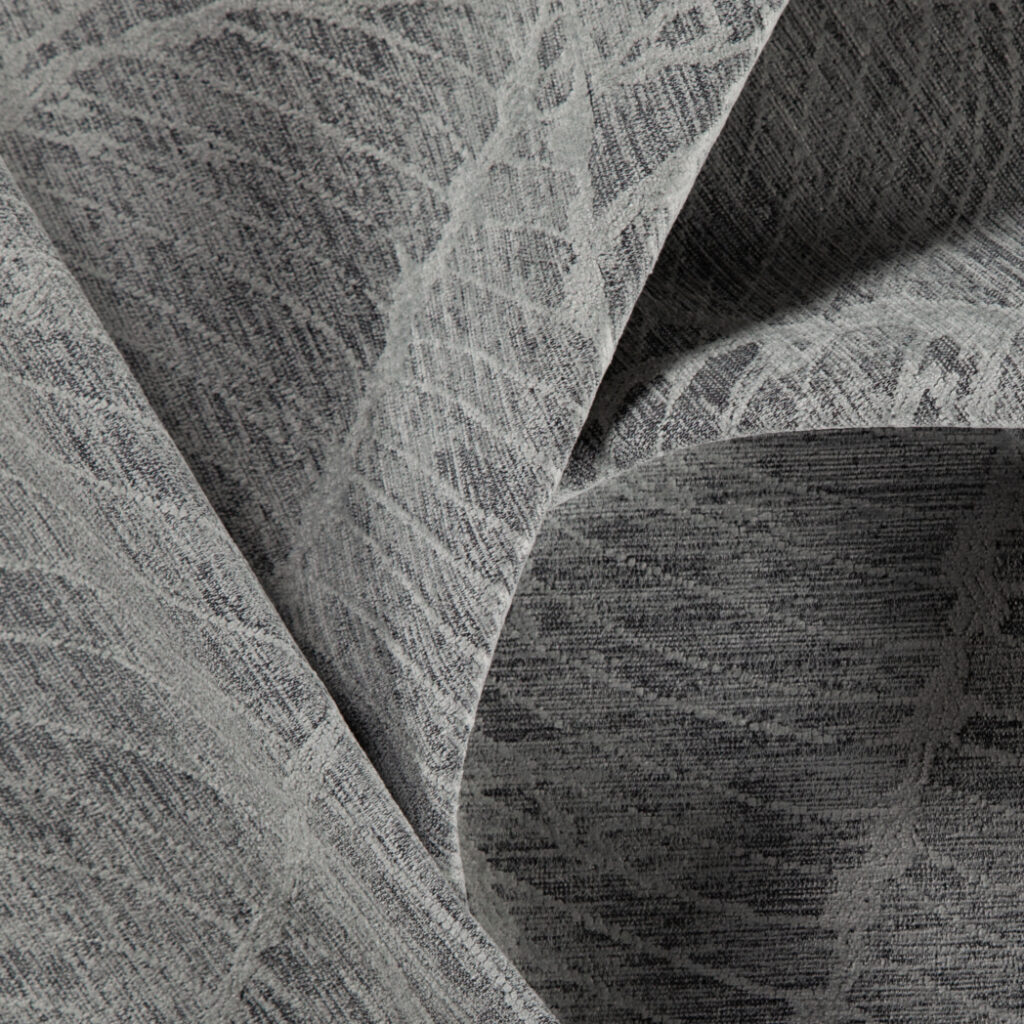
1. Texture Fibre-level texture
The hand-feel of a weave, the grain of a blend gets processed by touch and sight before conscious thought even catches up. It’s one of the fastest ‘nature cues’ the brain recognises.
Curious what fibre-level engineering actually feels like? Request a FibreGuard sample →
2. Light interaction
Weave density and fibre composition change how a fabric handles light: how sheer drapery filters and scatters it, how upholstery reflects it differently across the day. This is a real optical property of the material, not a bit of marketing flourish, and it's genuinely something you can specify for.
3. Acoustic behaviour
Sound absorption comes from fibre density and construction, not aesthetics. Softer, denser weaves dampen reflected noise, contributing to the "living quiet" biophilic design is after — filtered, softened sound, not dead silence.
4. Fibre composition and circularity
Biophilic design is more than just visual: it’s tied in with nature's waste-free systems. It's a legitimate sustainability story. But it's a sourcing and lifecycle, fibre composition and circularity story, and it's worth stating plainly rather than dressing it up as something more mystical than it is.
A man relaxes on a FibreGuard couch, looking out through a window, surrounded by soft natural sunlight. Biophilic design principles don't have to shout from the rooftops to make themselves felt.
Cozy bedroom featuring a large wooden wall carved with undulating waves: an example of utilising biophilic patterns to create a restful, inviting atmosphere
A transparent glass chair with a stylish wave pattern, showcasing ways that biophilic principles can be found in design
A woven basket with intricate patterns, showcasing its craftsmanship and the natural textures that work so well with eco fabrics
Applying This by Space
Hospitality and healthcare
This is where biophilic fabric choices earn their keep in healthcare spaces like waiting areas, patient rooms, hotel lobbies. These are spaces full of stressed or recovering occupants who need all the help they can get to relax and heal.
Controlling the sound and light in these spaces does real, measurable work here, with or without a single plant in sight.
Bedrooms and residential
As sleep researcher Dr Victoria Revell notes, getting adequate light at the right time of day affects alertness, mood, and sleep patterns. Fabric's role here in residential settings is secondary but still real: light-filtering drapery support that daylight strategy, it won’t replace it.
Either way, fabric supports the scheme. It isn't the whole scheme.
Plants, daylight design, and material choices like wood or rattan stay firmly in your domain and we wouldn't dream of telling you otherwise.
Serving the contract market and interior designers all over the world
Our team can help you find the right performance fabric for the look and durability your space needs. Get in touch and your message goes straight to your local team, no waiting, no middlemen.
Browse all FibreGuard 3D fabric textures • Order fabric samples
Biophilic design and contract fabrics: FAQ
What is biophilic design in furnishing fabric?
Fabric selected and engineered so its texture, light behaviour, acoustic properties, and fibre composition reinforce a space's connection to nature — distinct from fabric chosen purely for pattern or colour.
Do synthetic fabrics work in biophilic design?
Yes, particularly as natural-fibre blends. A synthetic-cotton or synthetic-hemp blend combines durability with the tactile and visual cues of natural fibre. Pure synthetics can still contribute through acoustic performance and engineered light interaction, even without any natural fibre content at all.
What's the difference between biophilic design and just adding plants? Plants are the most visible biophilic element, sure, but they're only one of several. Light, texture, pattern, sound, and material story all contribute — fabric can support most of these without a single leaf in the room.
Can fabric replace natural light or plants in a biophilic scheme?
No, and we wouldn't claim it does. Fabric is a supporting material within a broader biophilic strategy. It can't substitute for daylight access or greenery, but it can reinforce and extend their effect throughout a space.
 All Spaces
 Case studies