
Organic architecture meets performance fabrics
- August 28th, 2026
-
 Design Inspiration
-
 All Spaces
What Is Organic Architecture? Principles, Benefits, Fabrics
Organic architecture is a design philosophy built on one simple idea: buildings, people and nature should work together. Instead of treating a building as separate from its surroundings, this approach brings the landscape, climate, materials and people into the design from the start.
The philosophy is closely tied to American architect Frank Lloyd Wright. He coined the term "organic architecture" to describe buildings that feel truly at home in their environment. For Wright, it was about making sure form, function and materials all worked together, so a building felt like it belonged where it stood.
Today, these same principles shape more than buildings. They influence interior design, furniture, textiles and material choices too.
As designers look for ways to create spaces that are more sustainable, comfortable and human-centred, the link between architecture and materials such as upholstery and drapery matters more than ever.
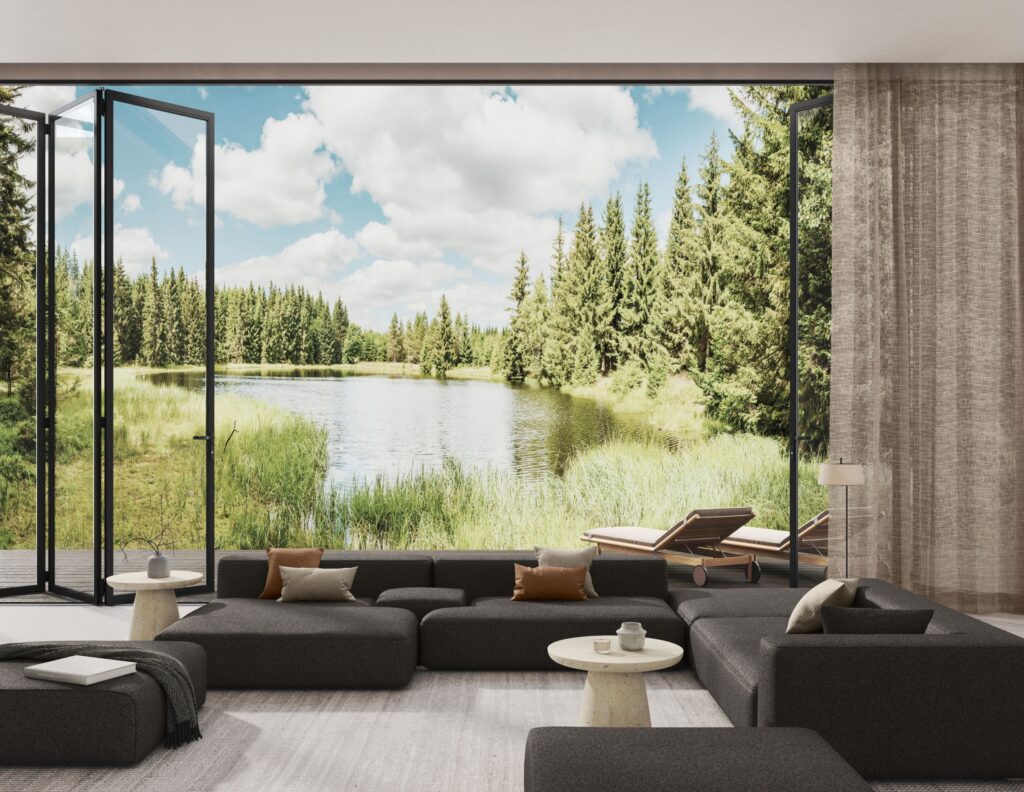
What are the principles of organic architecture?
Organic architecture rests on a few connected ideas. At the heart of it all: the built environment should work with nature, not against it.
1. Harmony with the natural environment
Organic architecture takes its cues from its surroundings. The site's landscape, climate, natural light, vegetation and local character all shape the design. Designers achieve this through orientation, natural views, landscaping, nature-inspired forms and carefully chosen materials.
2. Natural materials
Material choice matters a lot here. Wood, stone, clay and other natural or locally sourced materials have long been part of this approach, because they help a building feel physically and visually connected to its surroundings. But it goes beyond picking a material just because it looks natural. Organic architecture also considers
- how a material performs
- where it comes from
- how it works alongside other materials
- how long it lasts
The same thinking applies to interiors too, including flooring, furniture, wall coverings and upholstery and drapery fabrics.
3. Integration of form and function
The idea is that the building's form should reflect its purpose, its place in the world, and the people who use it. The same goes for interiors. Fabrics and finishes get chosen not just for colour, pattern or texture, but for how well they meet the practical needs of the space.
For example, a hospitality space might need a fabric that looks great and holds up to heavy use. A healthcare setting has its own set of demands. A residential space might lean more toward comfort and softness. In every case, the material becomes part of the design solution, not just a finishing touch.
4. Connection to people and wellbeing
Organic architecture also cares deeply about how people experience a space. It’s all about how comfortable a space feels, from lighting to tactile surfaces to acoustics.
Interior materials play a big role. A fabric's colour, texture and tactile quality shape how a space feels, while its performance qualities support comfort, function and durability over time.
What are the benefits of organic architecture?
The benefits go well beyond how a space looks.
Environmental benefits. By responding to a site's climate and character, organic architecture can cut down on unnecessary energy use. Passive design, natural ventilation and daylight all help buildings run more efficiently. Durable materials also mean less frequent replacement.
Aesthetic benefits. Spaces designed this way often feel deeply connected to their surroundings. Natural materials, earthy tones, organic forms and views of nature come together to create interiors and exteriors that feel calm, cohesive and timeless.
Human-centred design. The link between nature and wellbeing is a big part of good design today. Organic architecture pushes designers to think about how people experience a space, not just how it looks in a photo.
Long-term performance. Good design must hold up over time. Choosing materials based on durability, maintenance needs and suitability for their environment helps buildings and interiors stay functional for years to come.
This matters especially in busy commercial spaces, where materials need to handle heavy use without losing their design integrity.
Examples of organic architecture
A few architects stand out for us:
Frank Lloyd Wright. The name most associated with organic architecture. His work wove buildings into their sites through materials, structure, landscape, geometry and spatial planning. Fallingwater, his famous house in Pennsylvania, is one of the clearest examples.
Bruce Goff. An American architect known for bold, individual forms that pushed back against conventional ideas about buildings and nature.
E. Fay Jones. Another key figure, known for work that blended natural materials, careful proportions and a strong sense of connection between architecture and landscape.
Organic architecture, fabrics and sustainability
Organic architecture and sustainable architecture are close cousins, but they're not quite the same thing. Organic architecture is about harmony between people, buildings and nature. Sustainable architecture is more focused on reducing environmental impact and using resources wisely. Still, they overlap in a lot of ways:
- Efficient use of energy and natural resources
- Consideration of local climate and conditions
- Durable, long-lasting materials
- Reduced waste
- Responsible material selection
- Connection to nature and surroundings
- Design that supports human wellbeing
It's worth remembering that sustainability isn't just about whether a material is "natural." Its real environmental impact is shaped by the manufacturing process, maintenance needs and lifespan and eventual disposal. This is exactly where textile performance becomes so important.
Organic architecture and textile design
Materials shape how a space looks, feels and performs. It includes a diverse list: like fabrics, tables, decorative accessories, etc. Performance fabrics take this a step further, combining the look designers want with the technical properties a space needs. Depending on the application, that might include:
- High durability
- Stain resistance
- Easy maintenance
- Abrasion resistance
- Fade resistance
- Fire performance
- Moisture resistance
- Suitability for high-traffic spaces
So, designers don't have to choose between a beautiful material and a practical one. They can have both.
How performance fabrics support interior designers
Both organic architecture and performance fabrics are all about responsiveness. This is the connection between architecture and textiles.
- Organic architecture responds to its environment, considering climate, landscape, light and people.
- Performance fabrics respond to the demands of their environment, offering the technical qualities each application needs.
A fabric contributes to an organic interior through its colour and texture, while its performance qualities keep it working well within the space. Take a natural-feel upholstery fabric in a busy hotel: its colour and texture help create a sense of connection to nature, while its durability and easy cleaning keep it performing under heavy use.
For interior designers, the result becomes part of how the whole space performs.
Designing textiles for beauty and performance
One of the best lessons from organic architecture is this: beauty and function don't have to compete. A space can feel deeply connected to nature and still be built for real-world use.
That's especially true for architects and designers working in kinds of commercial spaces as well as private residences. These environments need to look inviting, but they also need materials strong enough for everyday wear.
Performance fabrics help close that gap.
Rather than treating performance as an afterthought, designers can weigh durability and maintenance alongside colour, texture and pattern right from the start.
Organic architecture: a more holistic approach to design
At its core, organic architecture’s guiding ideas are just as relevant today as ever. Today's designers also have more ways than ever to bring nature-inspired beauty together with real-world performance.
For FibreGuard, this connection matters a great deal. Performance fabrics help designers create interiors that feel natural, comfortable and visually cohesive, while still standing up to the practical demands of the spaces they're used in.
That idea is just as relevant to today's performance fabrics as it was to the architecture design that first inspired it.
Serving interior designers and upholsterers globally
Our team can help you find the right performance fabric for the look and durability your space needs. Get in touch and your message goes straight to your local team, no waiting, no middlemen.
Browse all FibreGuard 3D fabric textures • Order fabric samples
 Clean & Cosy Homes
 Fabrics Education