
Design 3D material boards online with Mattoboard and FibreGuard
- July 19th, 2024
-
 Case studies
-
 Offices & Workspaces
Here at FibreGuard, sustainability is a topic close to our hearts. We are committed to reducing our environmental impact across our entire fabric manufacturing and shipping operation.
This is one of the reasons why we developed our digital sampling library, Twinbru. The creation of ‘digital twins’, as they’re known, lets designers view our performance upholstery via 3D digital versions of our real-life fabrics. Now, we can go one step further by giving our customers access to hundreds of FibreGuard’s digital samples via Mattoboard, a 3D virtual sampling platform used by designers to curate online moodboards.
This revolutionary digital technology encourages creative collaboration and innovation while supporting the sustainability objectives of the fabric industry.
Introducing Mattoboard: 3D material boards made easy
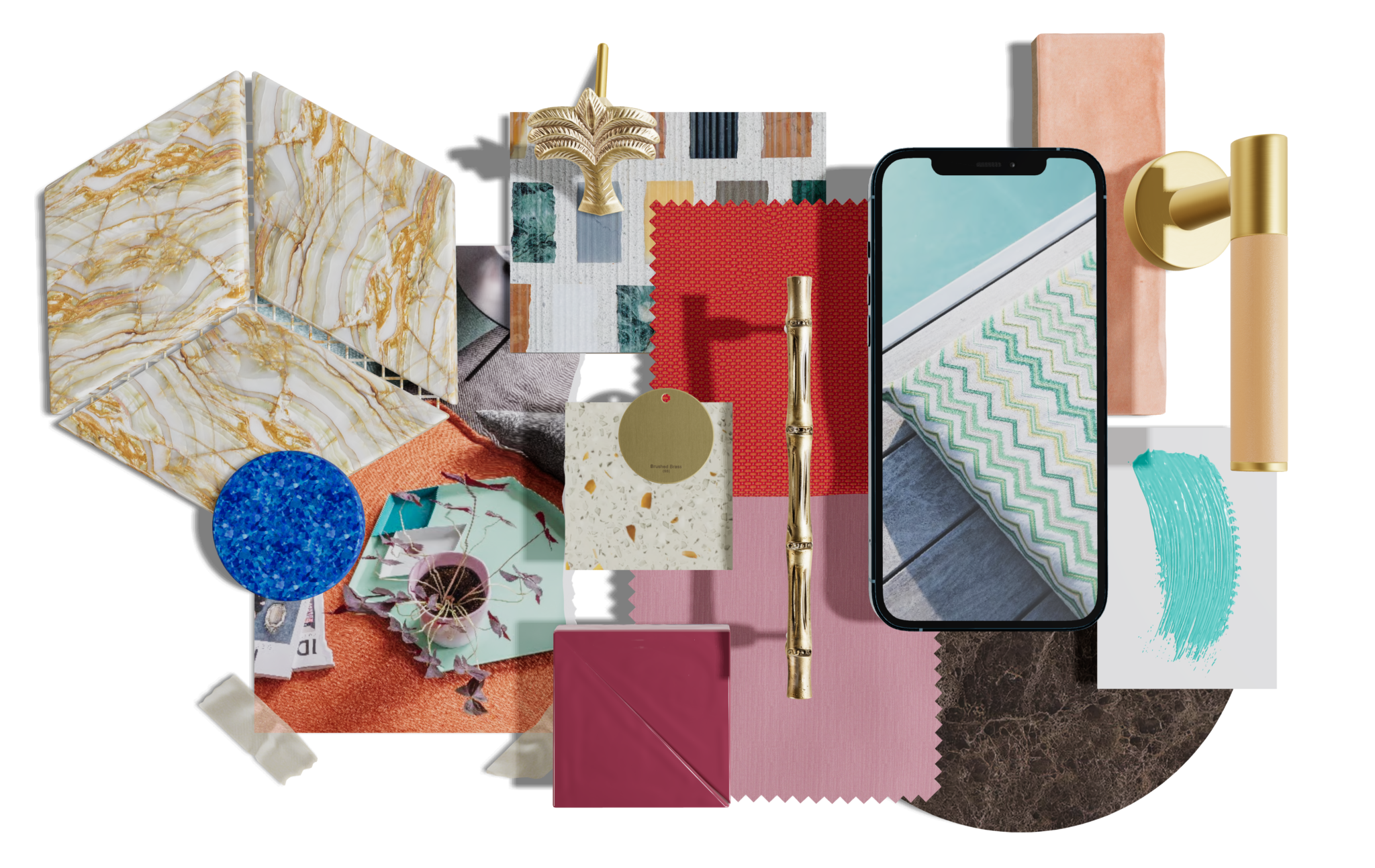
Mattoboard is a 3D virtual sampling platform that enables designers to curate online material boards prior to ordering physical fabric samples.
Because of the technologically advanced nature of Mattoboard’s visuals, designers can play around with realistic-looking material combinations from the comfort of their computer screens.
Mattoboard wants to make storytelling easier for the Design Industry. We want people to be able to tell stories with real-world objects with all the advantages that come with digital tools. Hand-to-hand design should benefit from the superpowers of technology and 3D. As designers we have an opportunity to waste less, do good, and design more. – About Mattoboard
Mattoboard’s hyper-realistic digital representations, otherwise known as VSamples®, accurately represent the physical samples designers would usually use to curate moodboards.
The digital images of the materials incorporate light and shadow which allows designers to experience the texture and detail of the fabrics they’re considering.
The FibreGuard upholstery fabrics showroom on Mattoboard contains 1,254 digital fabric samples, ranging from fluffy chenille to geometric jacquards to silky plain textures.
Want to see how it works? Check out this Mattoboard moodboard on Instagram.
What are the key benefits of digital sampling?
Why would you choose to view virtual 3D fabric samples via Mattoboard’s platform rather than ordering conventional, physical samples? Here are some of the reasons…
- Digital sampling is more environmentally sustainable; there’s less waste and the carbon footprint is reduced because there are no physical fabric samples to ship.
- The use of ‘digital twins’ encourages creativity because virtual moodboards can easily be shared with clients and colleagues.
- Virtual sampling makes the decision-making process for fabric selection simpler, quicker, and more efficient.
Related Read: How technology is changing the textile industry
Sustainable sampling: how is it impacting the future of the textile industry?
Like FibreGuard, Mattoboard is committed to reducing environmental impact across the design industry. If you think of a single digital image of a fabric, for example, it can reach millions of potential customers. Whereas physical samples would need to be individually shipped out with all the associated environmental impact.
“By adopting virtual samples, brands can consciously align themselves with positive change, assuring consumers that they are actively addressing waste reduction and actively shaping a more sustainable future.” – The Mattoboard team
At FibreGuard, we are on an ever-evolving journey towards sustainability, recognising the need to mitigate our environmental impact at every stage of our operation. Our sustainability objectives are closely aligned with the United Nations’ Sustainable Development Goals (SDGs). And our commitment to sustainability remains an essential part of our corporate vision.
Related read: Sustainable sampling and the future of the textiles industry
To sum up, virtual sampling is transforming the way designers curate and select the materials they use. The Mattoboard platform is a really useful extension of Twinbru, our digital sampling library. Mattoboard allows designers to experiment with colour and texture combinations using ultra-realistic ‘digital twins’. The benefits of using digital technologies like these include enhanced sustainability, creativity, and efficiency.
Click here to view the full FibreGuard upholstery fabrics showroom via Mattoboard’s platform.
 Hospitality
 Clean & Cosy Homes
 All Spaces